
From Design to Manufacturing: The Importance of Hygienic Design in Aseptic Valves
An aseptic valve is only as reliable as the engineering and manufacturing processes behind it. In pharmaceutical and biotechnology manufacturing, hygienic design is not simply a matter of appearance or material selection; it is a critical factor in ensuring product safety, process integrity and contamination control.
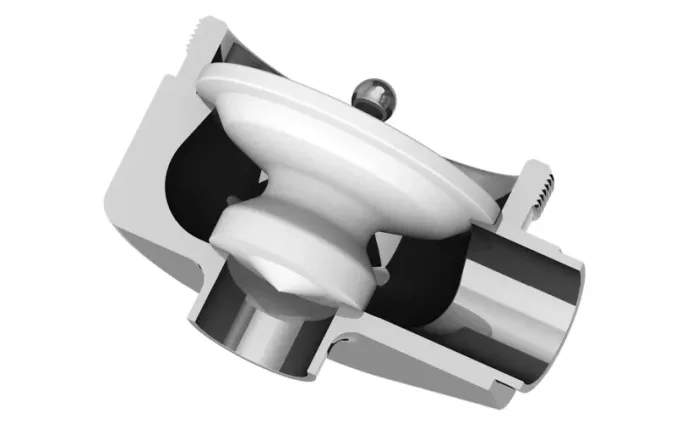
Rattiinox’s CAD (Clean Aseptic Design) valve technology demonstrates how engineering concepts are translated into precision-manufactured components. The transition from design to production plays a decisive role in ensuring that the final product meets the demanding requirements of aseptic processing.
Why Manufacturing Quality Matters in Hygienic Design
In aseptic processing environments, contamination risks can arise from seemingly minor design and manufacturing imperfections, including sharp internal transitions, inadequate surface finishes, product retention areas and dead legs.
Even a well-designed valve may fail to deliver the expected hygienic performance if machining, welding and surface finishing do not meet the required standards.
The quality of an aseptic valve is therefore determined not only by its engineering design but also by the precision and consistency of its manufacturing process.
Key Hygienic Design Considerations for Aseptic Valves
For pharmaceutical manufacturers, several key characteristics directly influence the hygienic performance of valve components:
-
Drainability: Properly manufactured internal geometries help minimize product retention and support complete drainage.
-
Dead-Leg Minimization: Optimized valve geometry and internal configurations help reduce stagnant areas where microbial contamination may develop.
-
Surface Finish: Controlled surface finishing supports effective cleaning and sterilization, contributing to reliable CIP/SIP performance.
-
Manufacturing Consistency: Reproducible manufacturing processes help ensure that each valve meets the specified design and quality requirements.
Supporting Contamination Control in Pharmaceutical Manufacturing
Pharmaceutical facilities operate under increasingly demanding requirements for hygienic design and contamination control. EU GMP Annex 1 reinforces the importance of a comprehensive Contamination Control Strategy (CCS), including appropriate equipment design and process controls.
Selecting components specifically engineered for aseptic applications is an important part of this approach.
Aseptic valves with appropriate hygienic design characteristics support cleaning and sterilization processes while contributing to the overall integrity of pharmaceutical process systems.
EMA Engineering & Rattiinox: Engineering Reliability from Design to Production
As the authorized regional representative of Rattiinox, EMA Engineering provides pharmaceutical and biotechnology manufacturers with access to aseptic valve solutions designed for demanding hygienic applications.
Our technical approach goes beyond component selection. We support customers in specifying, integrating and implementing suitable valve solutions within pharmaceutical process equipment, CIP/SIP systems and hygienic piping networks.
By combining Rattiinox’s manufacturing expertise with EMA Engineering’s pharmaceutical process engineering experience, we help customers achieve reliable, hygienic and efficient process installations.
Discover Rattiinox Aseptic Valve Solutions with EMA Engineering.

For technical information, product specifications or quotation requests, contact EMA Engineering through our contact page or call +90 212 798 2047.
Source: Rattiinox