
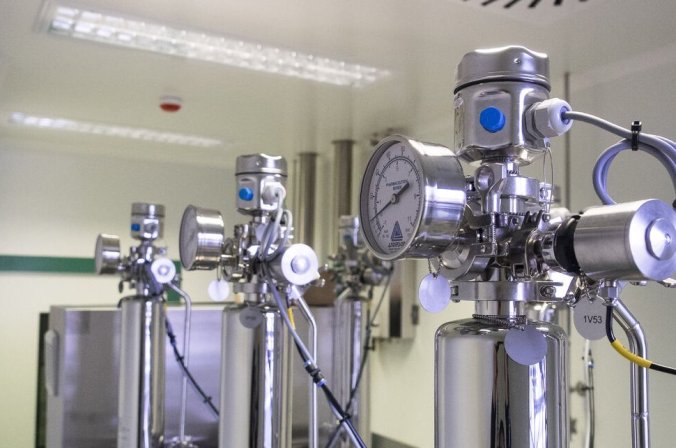
The revised EU GMP Annex 1 has changed how sterile manufacturers think about pre-use post-sterilization integrity testing (PUPSIT). As Rattiinox recently noted, the relevant question is no longer whether a system can perform PUPSIT, but whether it was designed to do so from the outset. For EMA’s clients across Türkiye and the region, this distinction carries real consequences for validation, contamination control, and inspection readiness.
From assembly to integration
Many sterile filtration setups are still built by connecting individual components in the field. Each manual connection introduces a potential leak path, a hard-to-clean geometry, and a point that must be separately qualified. When PUPSIT is bolted onto such an arrangement after the fact, the result is often added complexity rather than added assurance.
An integrated approach treats the filtration and integrity-testing function as a single engineered unit. This reduces the number of connections, shortens the flow path, and removes dead spaces where product or cleaning fluid can be trapped — directly supporting the Annex 1 emphasis on contamination control strategy.
Why it matters for Annex 1 compliance
- Contamination Control Strategy (CCS): Fewer connections mean fewer documented risk points to justify and monitor.
- Cleanability: Designed-in geometries avoid the hold-up volumes that complicate CIP and SIP cycles.
- Integrity assurance: A purpose-built PUPSIT arrangement makes wetting and pressure-hold steps repeatable and defensible.
- Inspection readiness: A single qualified assembly is easier to document than a collection of field joints.
EMA’s perspective
For regional manufacturers upgrading sterile lines to meet Annex 1 expectations, the lesson is clear: contamination control begins at the design stage, not during installation. Specifying aseptic valves and connectors that are engineered to work together — rather than assembled from a parts list — lowers both validation burden and long-term operating risk.
EMA Engineering supports pharmaceutical and biotech producers in evaluating these choices, from selecting Rattiinox aseptic valves and connectors to integrating them into cleanable, inspection-ready process systems. Our role is to help translate regulatory expectations into practical, qualified hardware decisions.
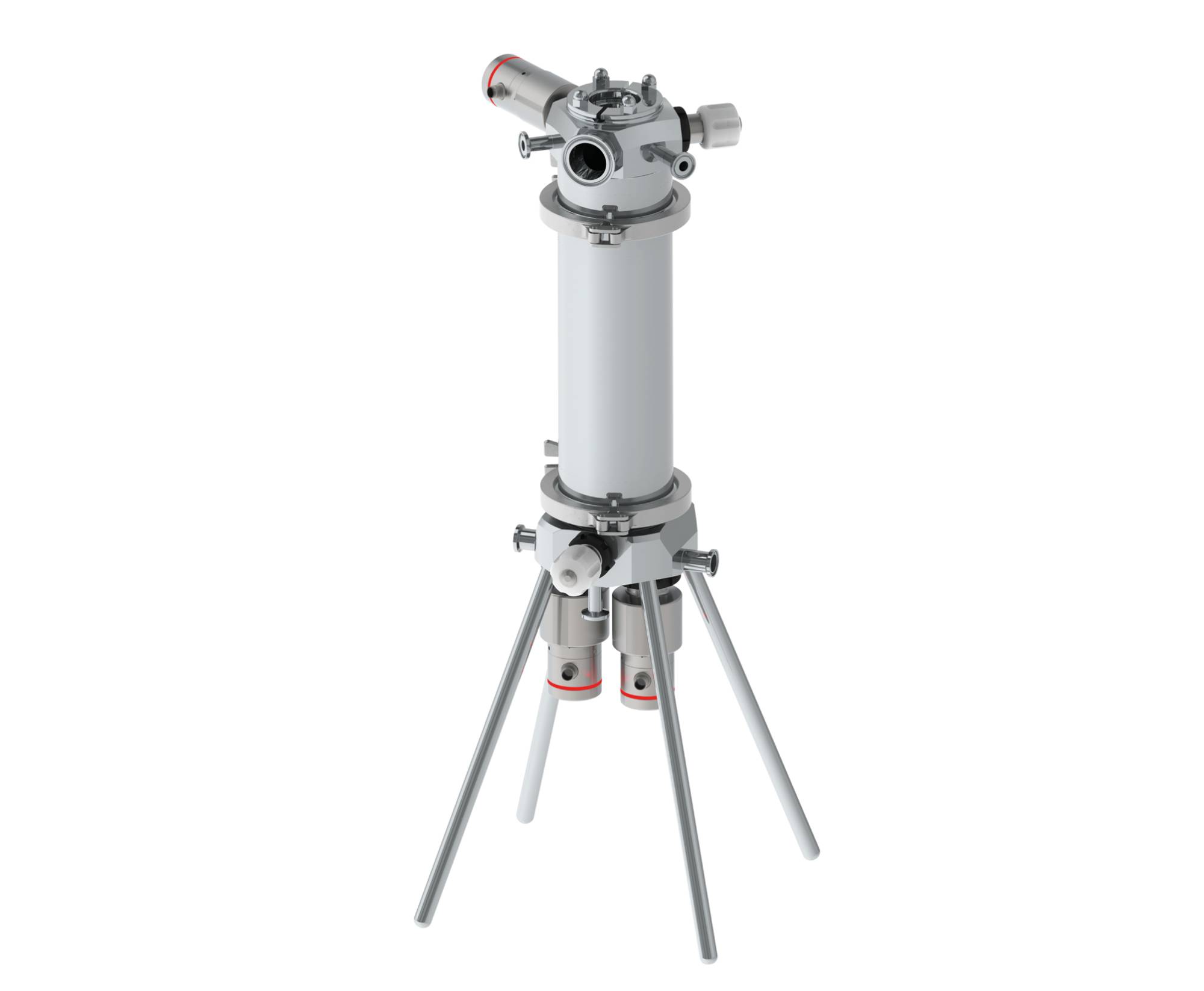
Explore EMA Engineering’s Rattiinox product range.
For product details, technical support or a quote, contact EMA Engineering via our contact page or call +90 212 798 2047.
Source: Rattiinox.